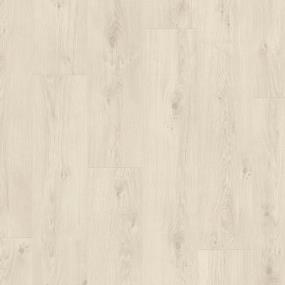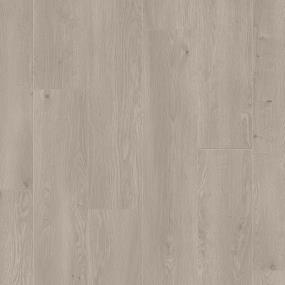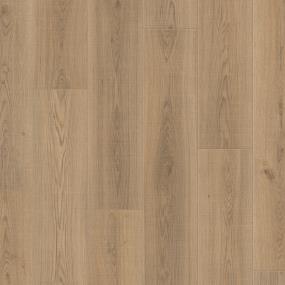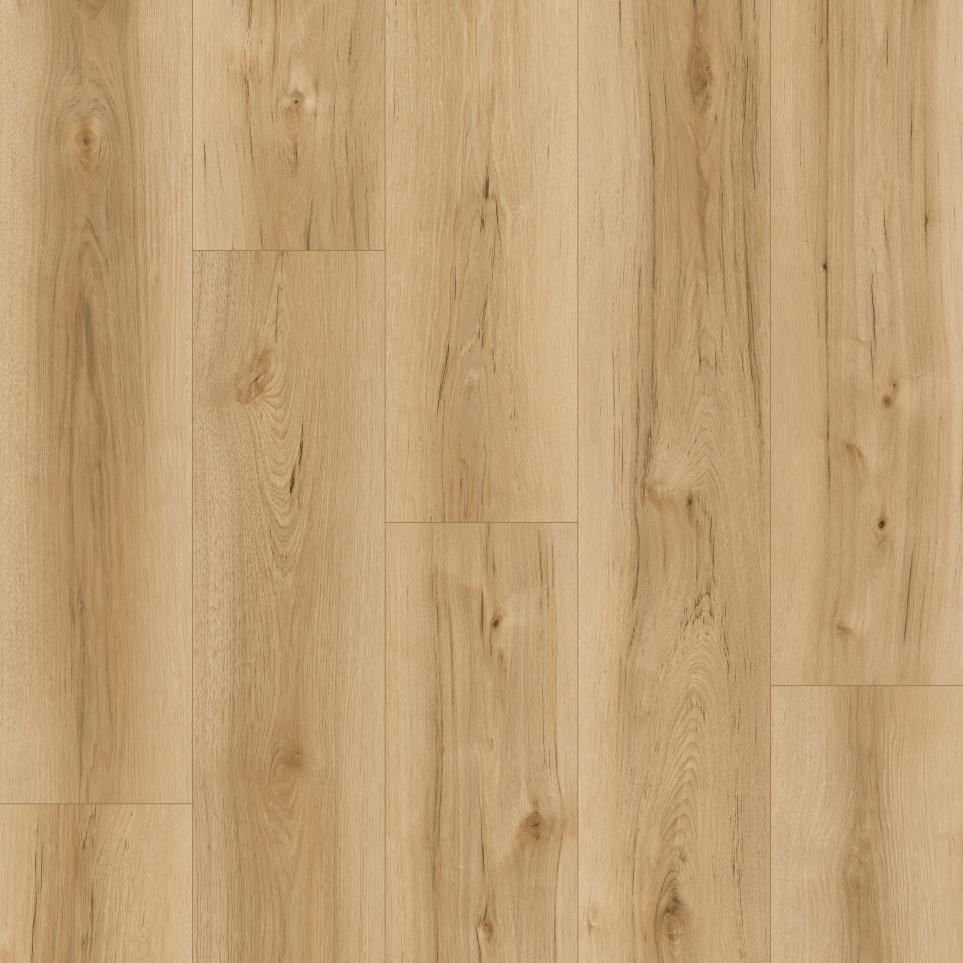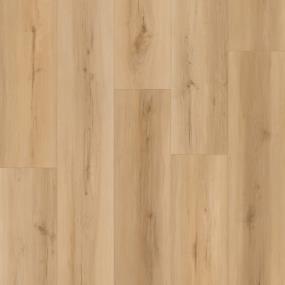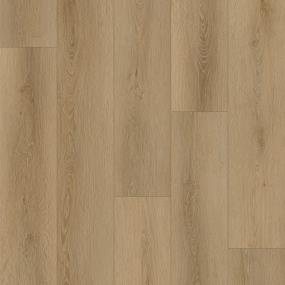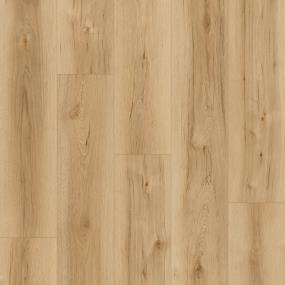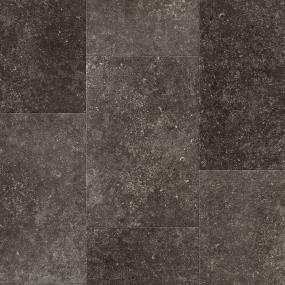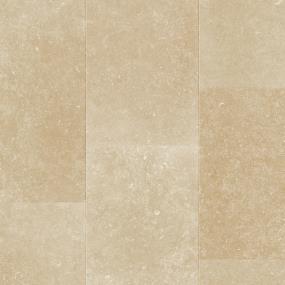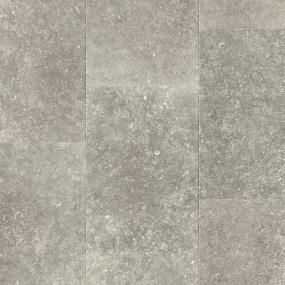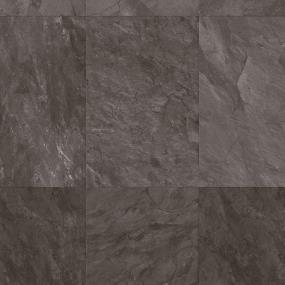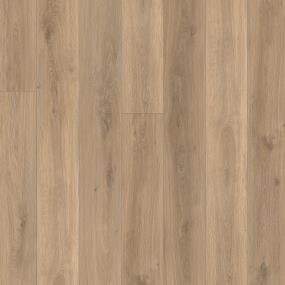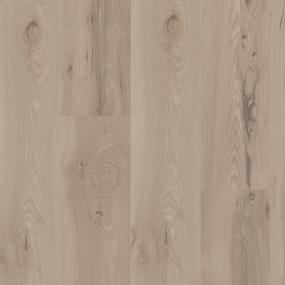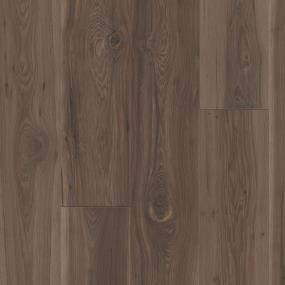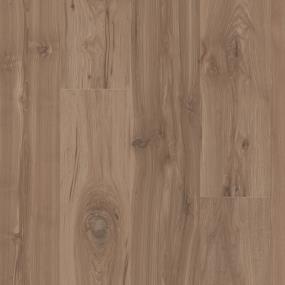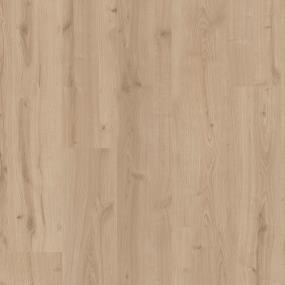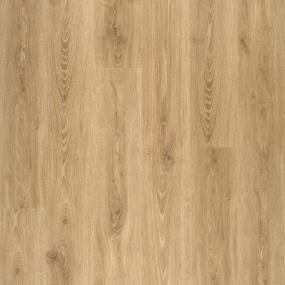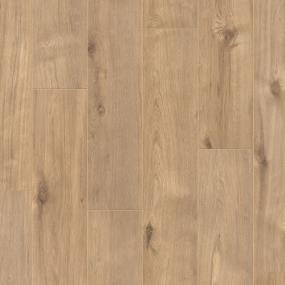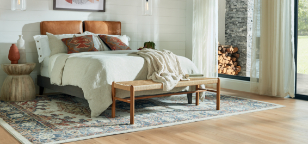

At Flooring Canada, we’re not just about floors; we’re about finding your perfect match and transforming your space from the ground up. Our comprehensive guide to laminate flooring is designed to educate and empower you, ensuring you make an informed decision for your home. Dive into our catalouge and explore the possibilities, or visit your local showroom to experience the quality firsthand.
Laminate flooring is a popular, versatile, and durable flooring option that has become a favourite for homeowners and businesses alike. Known for its ability to replicate the look of hardwood, stone, or tile, laminate flooring offers a practical and attractive solution for various spaces. This guide will delve into the nuances of laminate flooring, covering its history, benefits, types, installation, and maintenance, helping you make an informed decision for your home.
Laminate flooring consists of several layers fused together through a lamination process. The core layer is usually made of high-density fiberboard (HDF) that provides strength and durability. Above this is a photographic layer that mimics the appearance of natural wood or stone, topped with a clear protective layer that resists scratches, stains, and wear. Unlike hardwood, which is made from harvested wood, laminate is a composite material that offers a realistic look with added durability.
Originating in Europe in the 1970s, laminate flooring was developed as an affordable alternative to real hardwood and stone floors. Over the decades, advancements in technology have enhanced its design capabilities, making it a versatile and sought-after flooring choice worldwide. Innovations in high-definition printing and texturing have allowed laminate to closely mimic various natural materials, making it a go-to option for those seeking style and practicality.
Laminate flooring offers numerous advantages, making it a smart choice for many households and commercial spaces.
Laminate is renowned for its strength and resistance to scratches, dents, and fading. It holds up well in high-traffic areas, making it ideal for busy households and commercial environments. Its durability also extends its lifespan. View some of our most durable laminate options.
One of the most appealing aspects of laminate flooring is its cost-effectiveness. It provides the luxurious look of hardwood or stone at a fraction of the price. Additionally, its durability and ease of maintenance can lead to long-term savings.
The diversity in types and styles of laminate flooring allows for customization to fit any decor or personal preference.
Traditional laminate, engineered laminate, and waterproof laminate are the primary types available. Traditional laminate is suitable for areas with standard foot traffic, while engineered laminate provides an extra layer of durability and water resistance. Waterproof laminate is ideal for bathrooms, kitchens, and other moisture-prone areas.
Laminate flooring comes in a wide range of designs and styles, including options that mimic various woods, stones, and tiles. This variety ensures you can find the perfect match for your home's aesthetic and functional needs.
Installing laminate flooring can be a manageable DIY project, but it requires preparation and attention to detail.
Proper preparation includes measuring the space, acclimating the flooring to the room's temperature and humidity, and ensuring the subfloor is clean, level, and dry.
Laminate floors can be installed using a floating method where planks interlock and sit above the subfloor, allowing for expansion and contraction. Following the manufacturer's instructions and using the right tools are key to a successful installation. Our installation experts will ensure a seamless install!
Maintaining laminate flooring is straightforward and involves regular cleaning and occasional deep cleaning.
Regular sweeping, vacuuming, and damp mopping can keep laminate floors looking new. Avoid excessive water and harsh chemicals to prevent damage.
Using furniture pads, placing area rugs in high-traffic zones, and promptly addressing spills can help maintain the integrity and appearance of laminate flooring.
Laminate flooring's environmental footprint has improved significantly with advancements in manufacturing processes.
The laminate flooring industry has made significant strides towards sustainability, adopting practices that reduce environmental impact and promote conservation. Manufacturers now prioritize the use of recycled materials in the production of laminate flooring, integrating post-consumer wood and plastic into the core and backing layers, which helps to minimize waste and conserve natural resources. Additionally, eco-friendly production methods, such as reducing emissions and using renewable energy sources, further the industry's commitment to environmental stewardship.
When selecting laminate flooring, consumers can look for certifications and labels that indicate a product's environmental friendliness. Certifications such as the Forest Stewardship Council (FSC) indicate that the wood used in the flooring comes from responsibly managed forests. Other labels, like the GREENGUARD Certification, assure that the flooring meets strict chemical emissions limits, contributing to healthier indoor air quality. By choosing laminate flooring with these certifications, consumers can ensure they are selecting a product that aligns with their environmental values and contributes to a more sustainable future.
At the end of its life, laminate flooring can sometimes be recycled, depending on the materials used and the recycling facilities available. Here are some tips and alternatives to landfill disposal:
1. Recycling: Check if your local recycling center accepts laminate flooring materials. Some components of laminate flooring, like the wood fiber core, can be recycled and used in the production of new wood-based products.
2. Reuse: Consider reusing laminate planks in good condition for small home projects, like creating shelves, art, or other DIY crafts. This not only reduces waste but also extends the material's life.
3. Donation: Donate usable laminate flooring to local charities, schools, community centers, or organizations like Habitat for Humanity. These organizations often accept used building materials for resale or use in community projects.
4. Waste-to-Energy Facilities: If recycling or reuse is not an option, consider waste-to-energy facilities where the material can be used as fuel for generating power, thus avoiding landfill and contributing to energy production.
Laminate flooring offers a durable, cost-effective, and stylish option for various settings. Understanding its benefits, types, installation, and maintenance can help you make an informed choice that aligns with your needs and preferences.
Educating yourself about laminate flooring is the first step toward transforming your home. At Flooring Canada, we are dedicated to providing you with all the information you need to make an informed choice. With our extensive catalouge and expert
assistance, finding the perfect laminate flooring has never been easier. Shop with us today and take the first step towards a beautiful, durable floor that you’ll love for years to come.
Laminate is a multi-layer floor built to mimic the look of hardwood, tile, or stone at a friendlier price. A high-resolution printed layer gives it that realistic look, and a tough clear wear layer on top handles day-to-day life.
It's popular for good reason: durable, budget-friendly, and easy to install as a floating floor. That makes it a great fit for busy households.
Around here, it's a favourite in family homes and rental properties for standing up to kids, pets, and traffic without the upkeep that real wood asks for.
It differs from other types of flooring like hardwood, vinyl, or tile in its construction, cost, and maintenance. Laminate offers the appearance of natural materials like wood or stone but usually at a lower cost and with greater resistance to wear and tear.
The main benefits of laminate flooring include its durability, cost-effectiveness, ease of installation, and low maintenance. It’s resistant to scratches, dents, and moisture, making it suitable for high-traffic areas. Laminate flooring is also available in a wide variety of designs and styles, closely mimicking the natural appearance of wood, stone, or tile.
Laminate flooring comes in various types, including traditional laminate, engineered laminate, and waterproof laminate. Styles range from wood-look to stone-look and tile-look finishes, offering numerous choices to match any decor. When choosing the right type and style for your home, consider the room’s usage, moisture exposure, and your aesthetic preferences to find a match that combines functionality and style.
Laminate flooring is typically installed as a floating floor, meaning the planks are not glued or nailed down but instead lock together over the subfloor. Many homeowners opt to install laminate flooring themselves due to its user-friendly locking systems. However, for the best results, following the manufacturer's guidelines and ensuring the subfloor is level, clean, and dry is crucial. We recommend professional installation so that you don’t void your warranty!
Laminate flooring requires regular sweeping or vacuuming to remove dirt and debris, along with occasional damp mopping using a suitable laminate floor cleaner. Avoid excessive water and harsh cleaning agents to prevent damage. Placing mats at entrances and using felt pads under furniture can help protect the flooring and keep it looking new.
Laminate flooring can be environmentally friendly, especially if it’s made from recycled materials and produced using sustainable manufacturing processes. When considering sustainability, look for laminate flooring with certifications from reputable environmental organizations, and consider the flooring's longevity and recyclability at the end of its life.
While laminate flooring has many advantages, it is not without drawbacks. It can be susceptible to water damage if not properly sealed, especially in high-moisture areas. It also cannot be refinished like hardwood can, meaning it must be replaced if it's severely damaged or worn. To address these issues, choose waterproof laminate options for moisture-prone areas and follow proper maintenance guidelines to extend the life of your flooring.
Honest answer: it depends on the product. Traditional laminate has a dense fiberboard core that can swell if water sits on it, so it's water-resistant rather than fully waterproof. Newer waterproof laminate lines, though, have sealed cores and tight-locking joints that stand up to spills and damp mopping.
For Okanagan homes, that distinction really matters in kitchens, entryways, and bathrooms. On standard laminate, wipe up spills promptly. For wet-prone rooms, ask about the waterproof options.
Come into the showroom and we'll show you which lines are truly waterproof versus water-resistant, so you put the right one in the right room.
9. How is laminate flooring made?
Laminate is built in layers pressed together: a moisture-resistant backing, a dense fiberboard core for stability, a printed design layer that gives it the wood or stone look, and a clear wear layer on top for scratch and stain resistance.
Those layers are fused under heat and pressure, then cut into planks with click-lock edges that make installation straightforward.
That core is exactly why acclimation matters in our climate. The short version: the boards need time to adjust to your home's humidity before they go down, so they don't shift on you later.
10. How much is laminate flooring?
Laminate is one of the more budget-friendly flooring options, but the price still moves based on thickness, the quality of the wear layer, the brand, and whether it's water-resistant or waterproof. Underlay and installation factor in too.
Rather than guess at a number, the accurate way to price your project is a free in-home measure. We'll look at your actual space, talk through the options, and give you a real quote.
Book a measure or drop by the showroom and we'll get you a straight answer, whether you're in the Mission, Rutland, or West Kelowna.
11. How thick is laminate flooring?
Laminate planks usually run from about 6mm to 12mm thick. Thicker boards tend to feel more solid underfoot, bridge minor subfloor imperfections better, and often come with nicer sound dampening.
Thickness isn't the whole story, though. The wear layer, that clear top coat, matters just as much for durability. A thick plank with a thin wear layer won't hold up the way you'd hope.
We'll help you weigh thickness, wear layer, and underlay together so you get the right feel and the right durability for your rooms.
12. Is Pergo laminate?
Yes. Pergo is one of the original and best-known laminate brands. They helped popularize laminate flooring in the first place, so much so that people sometimes use "Pergo" as a catch-all for laminate, the way folks say "Kleenex" for tissue.
Pergo makes a range of laminate lines known for durability and realistic looks, along with some other flooring types.
If you're curious about Pergo or want to compare it to other brands we carry, come see the samples side by side in the showroom.
13. Can you match hardwood floors to laminate?
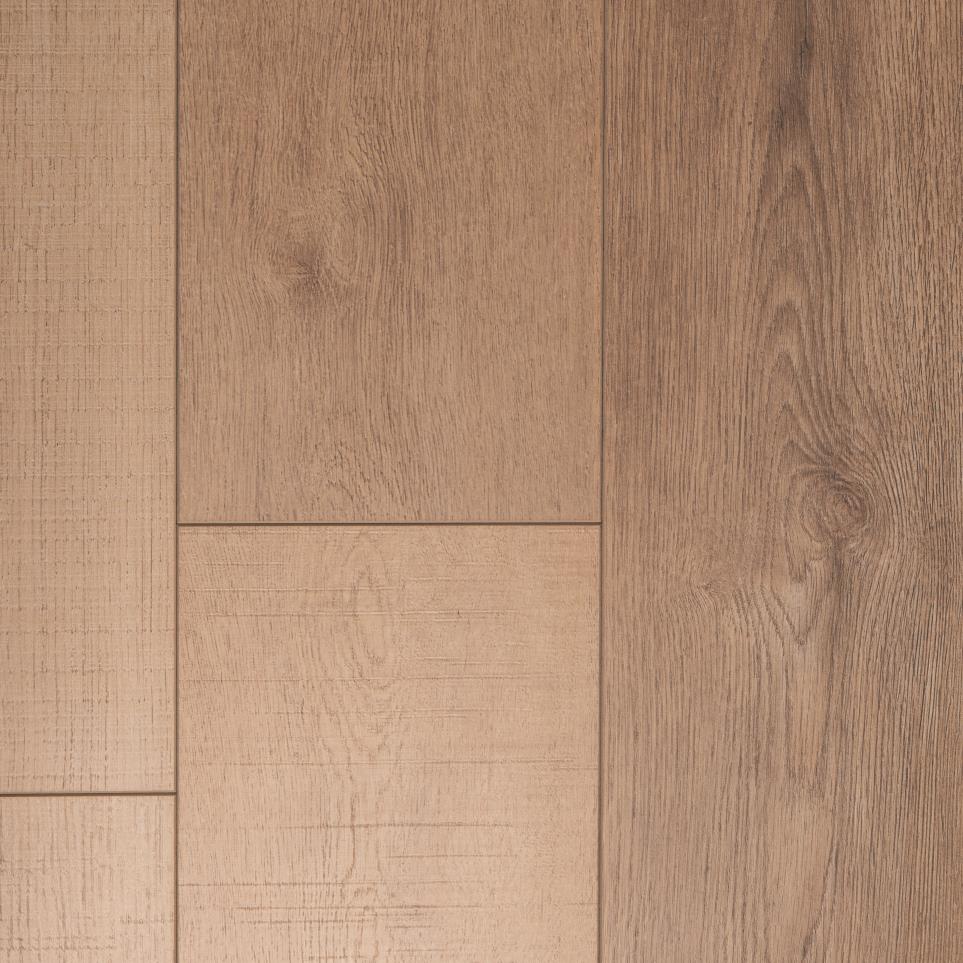
You can get remarkably close. Today's laminate uses high-resolution imaging and embossed textures that mimic real wood grain, so it's often hard to tell apart at a glance. Matching an existing hardwood floor mostly comes down to finding a laminate with a similar species look, colour tone, and plank width.
It won't be an exact twin, since real wood varies naturally, but a good match can blend beautifully, especially when you're adding a room or transitioning between spaces.
Bring in a photo or a sample of your existing floor and we'll help you track down the closest laminate match.
14. What does laminate flooring look like?
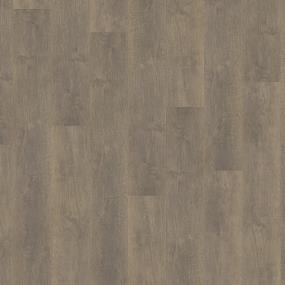
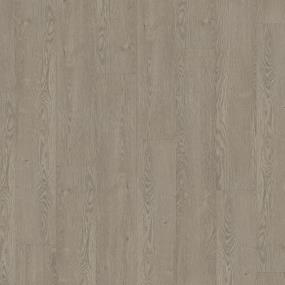
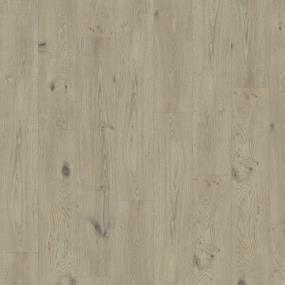
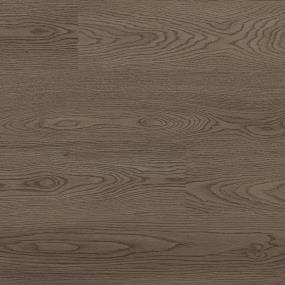
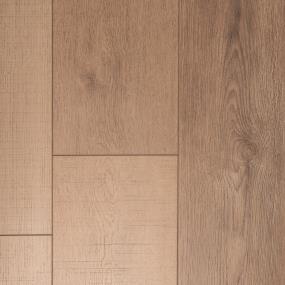
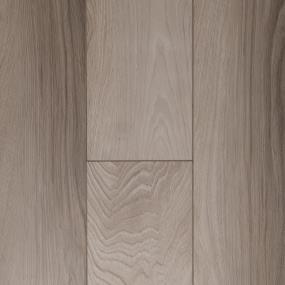
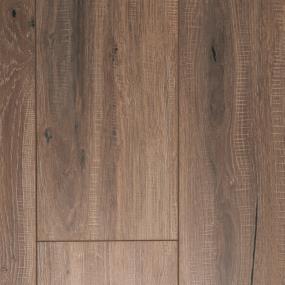
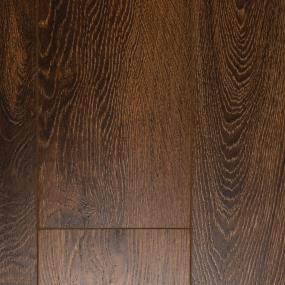
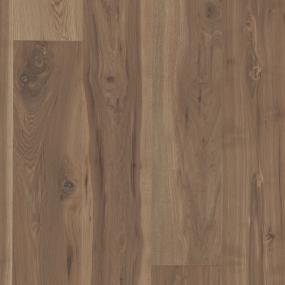
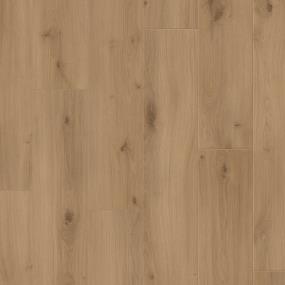
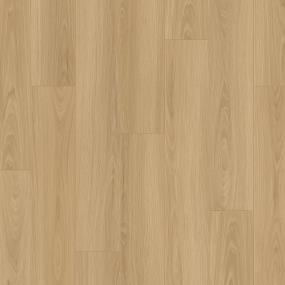
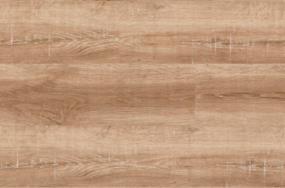
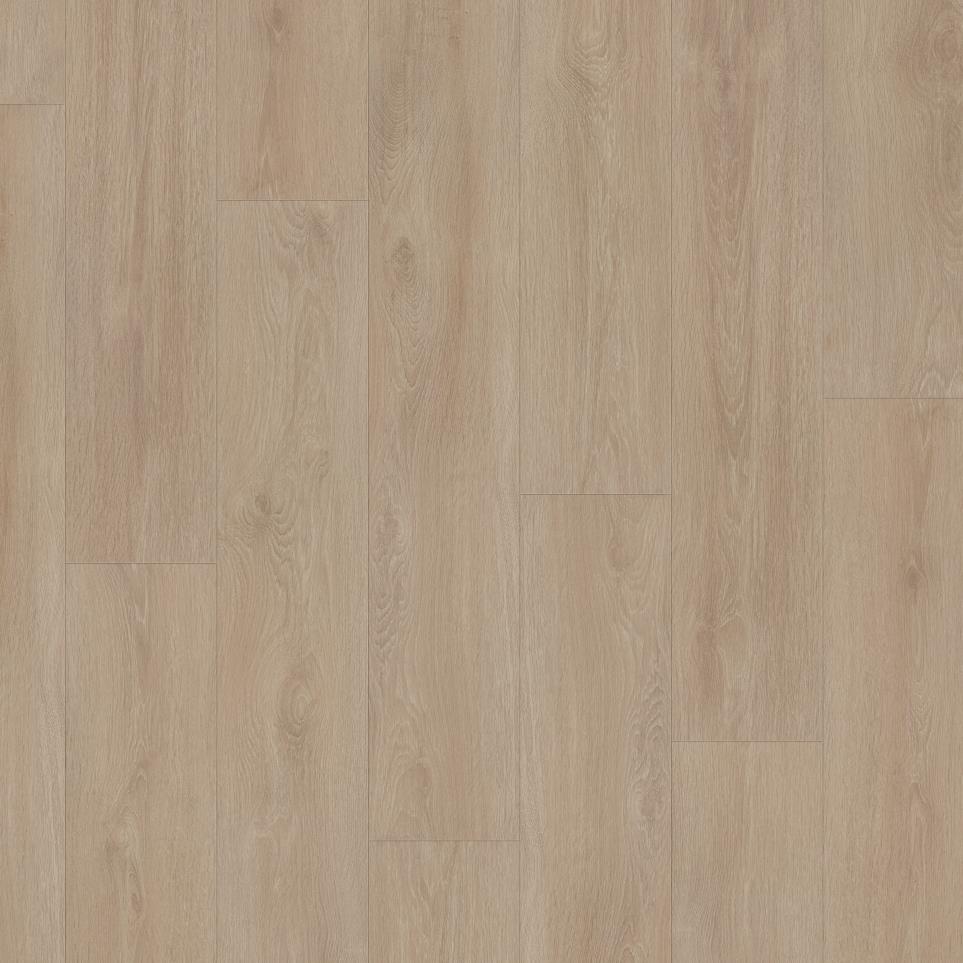
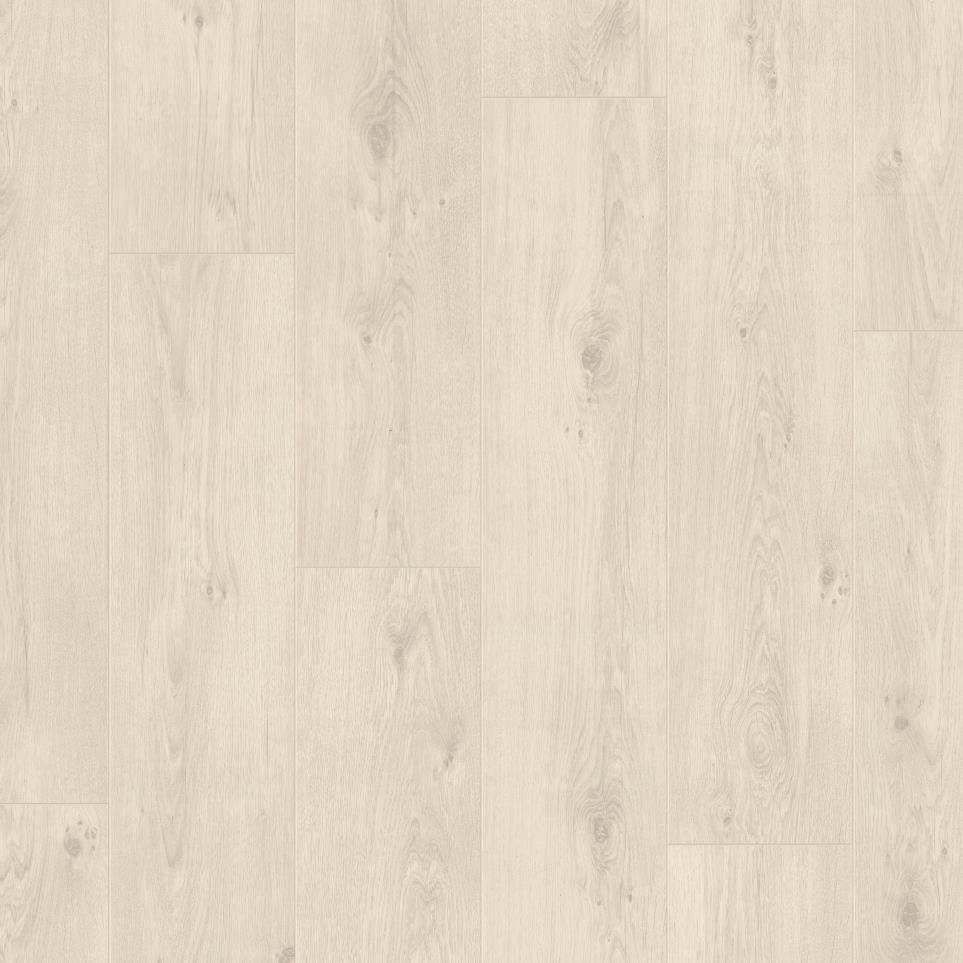
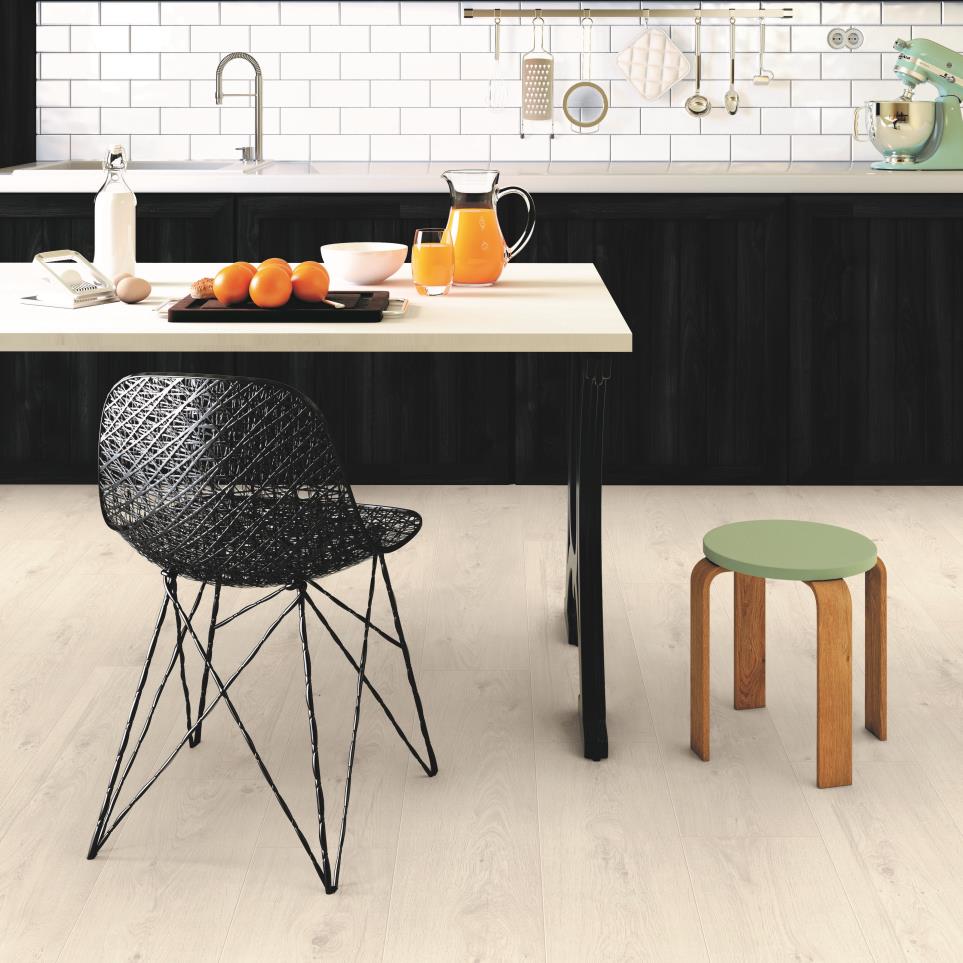
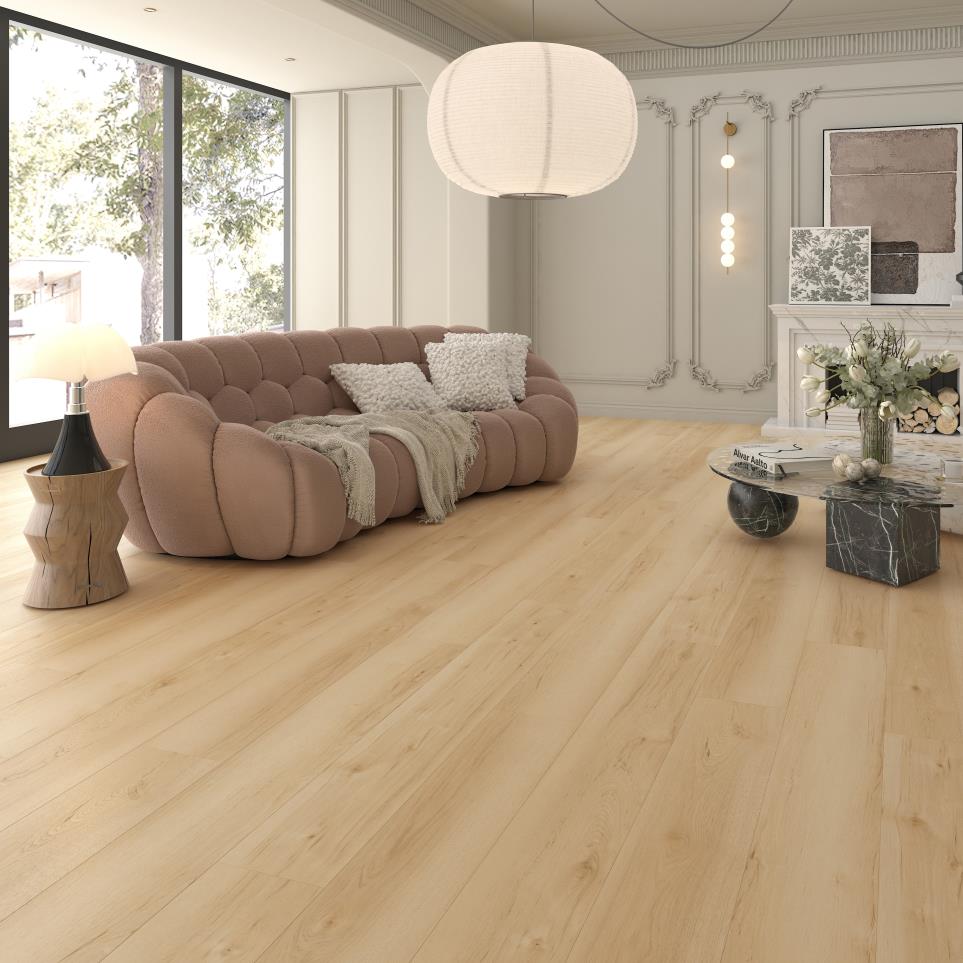
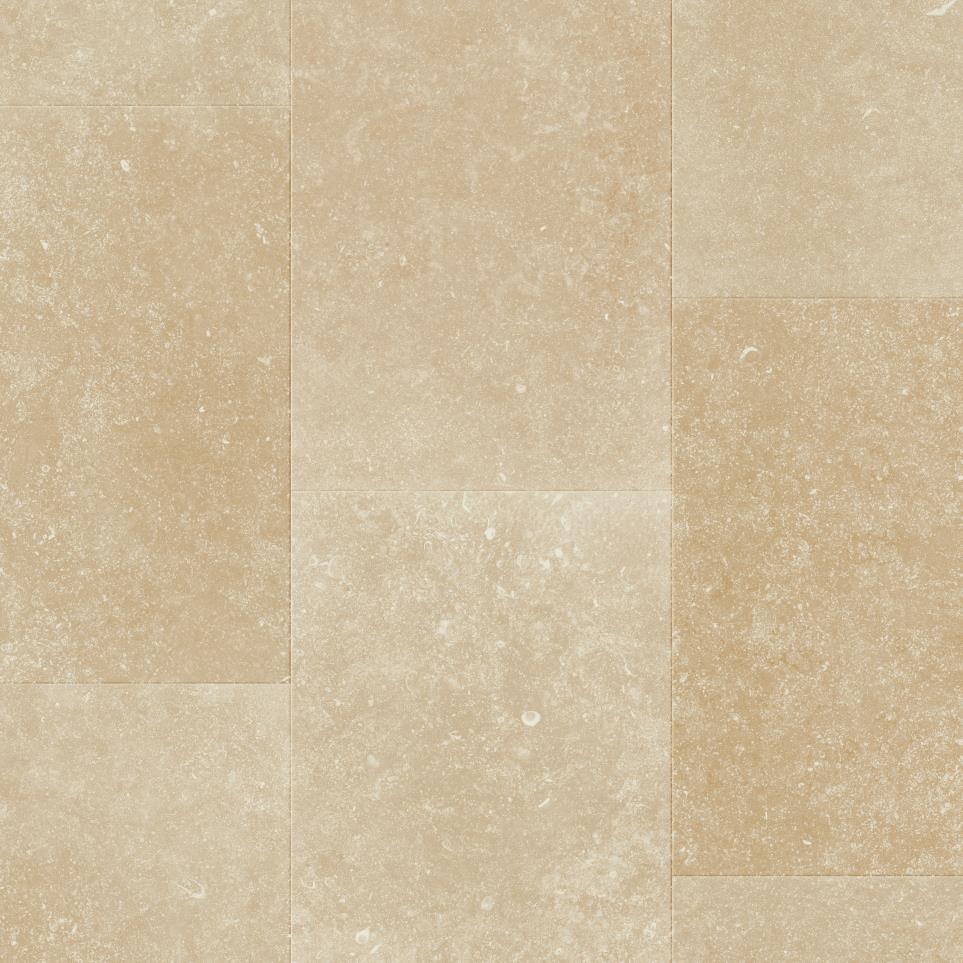
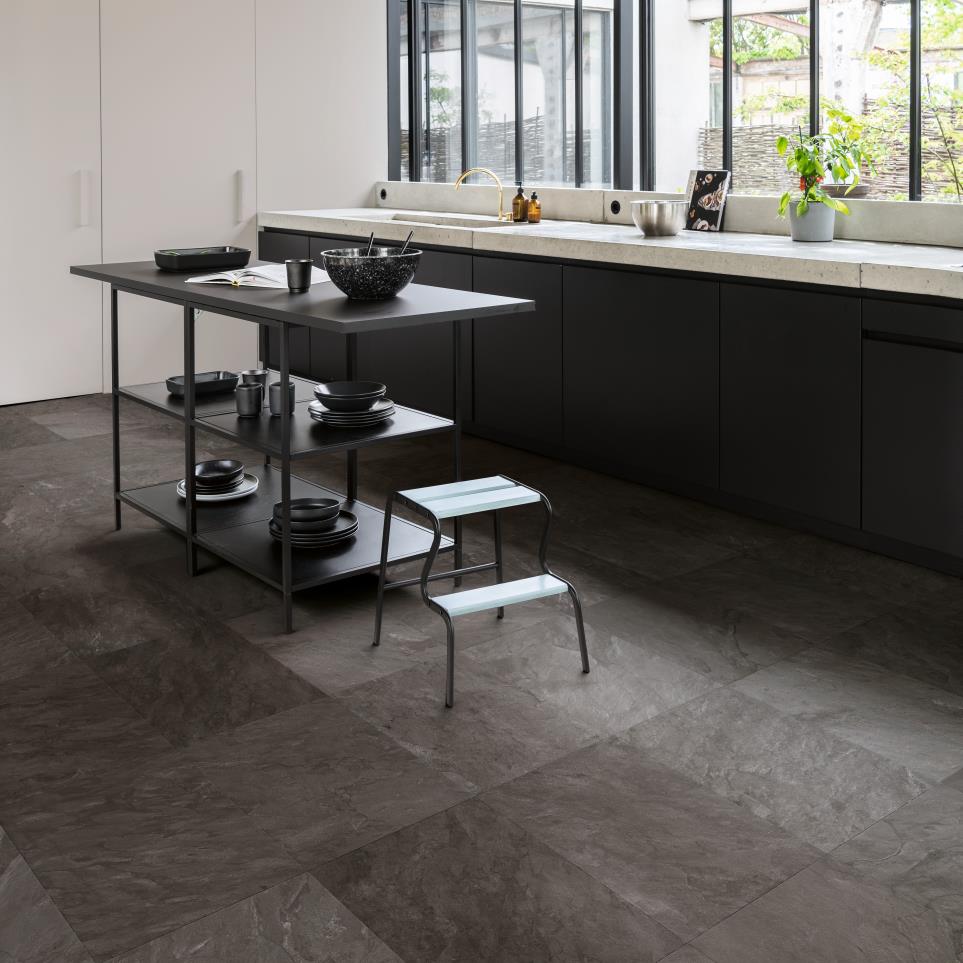
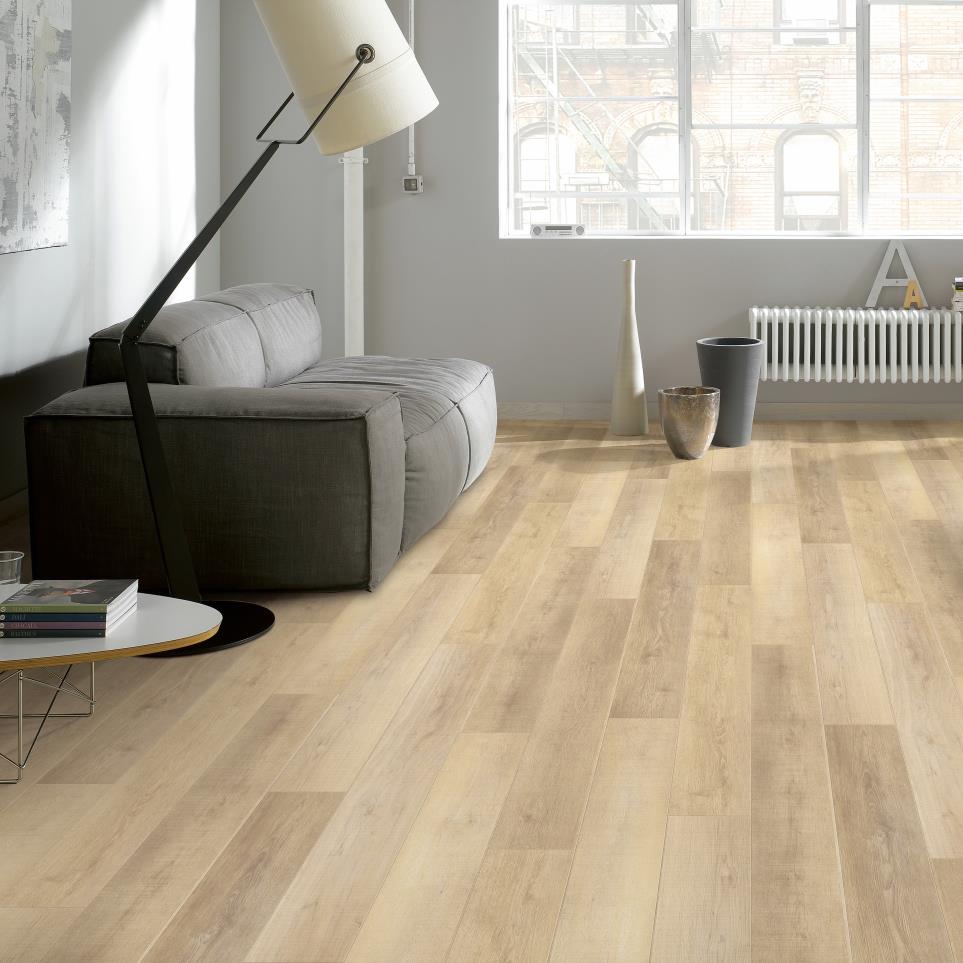
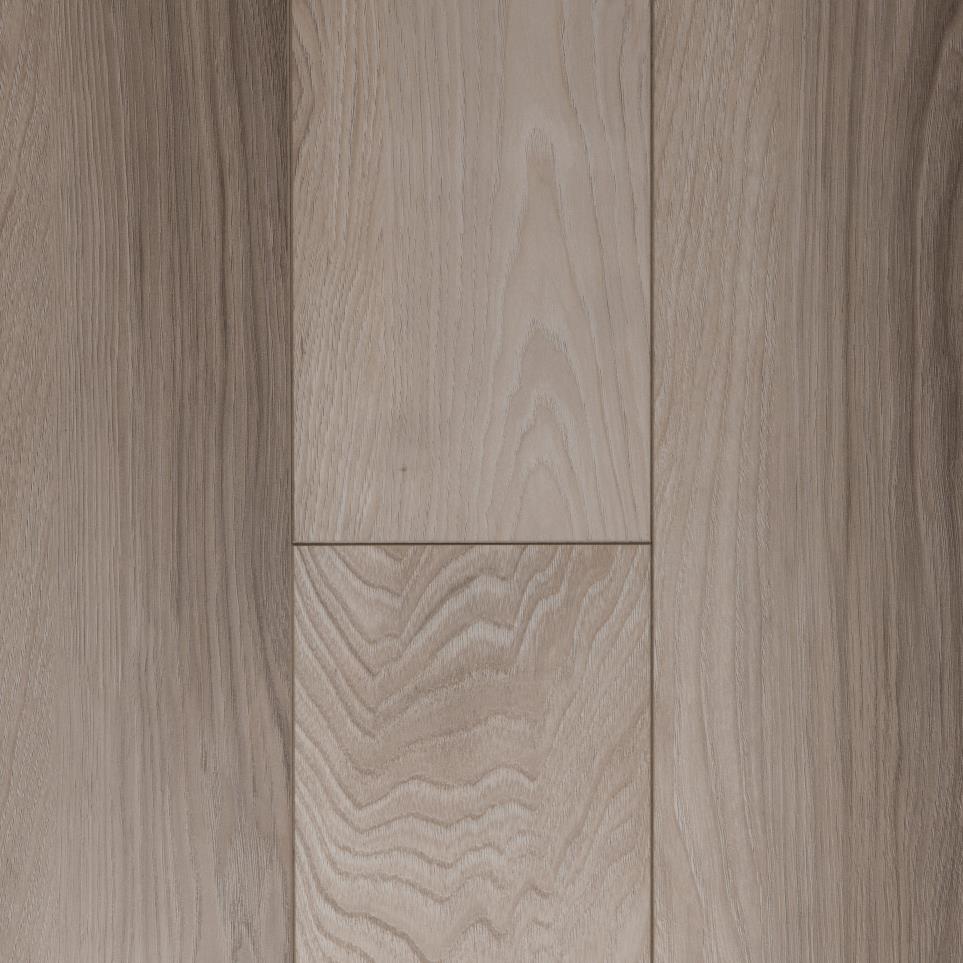
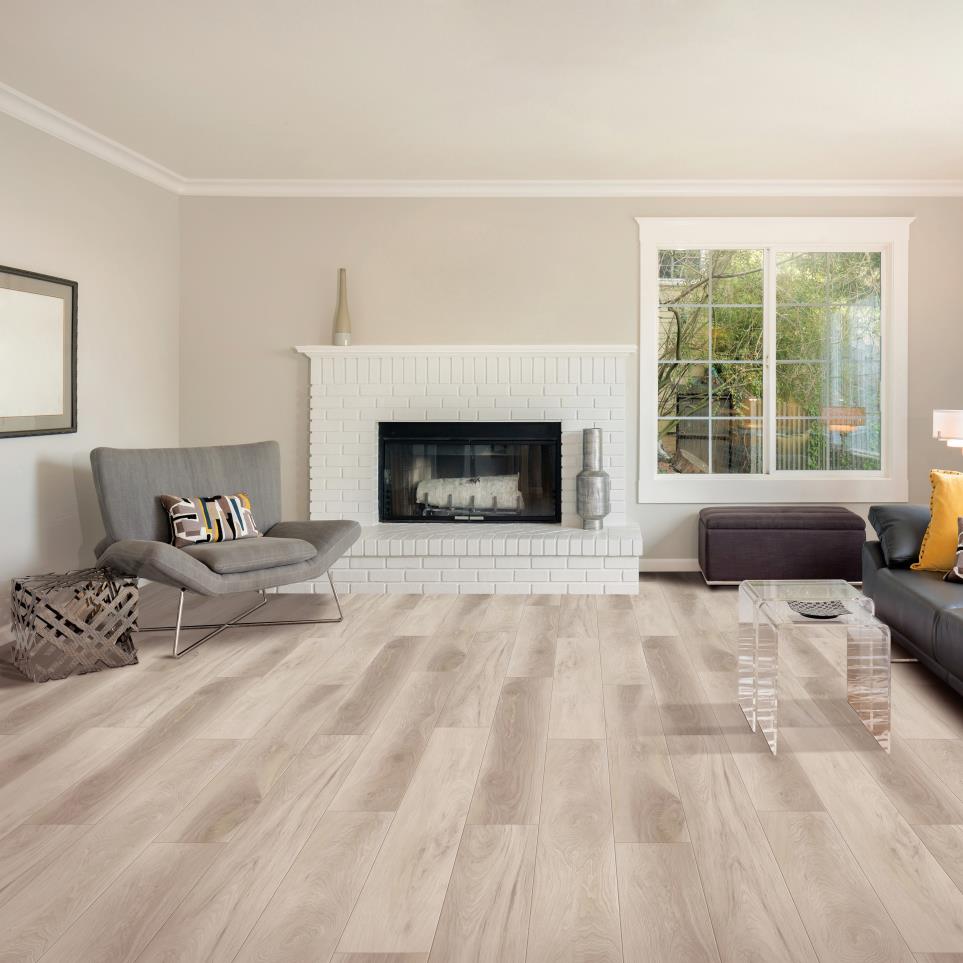
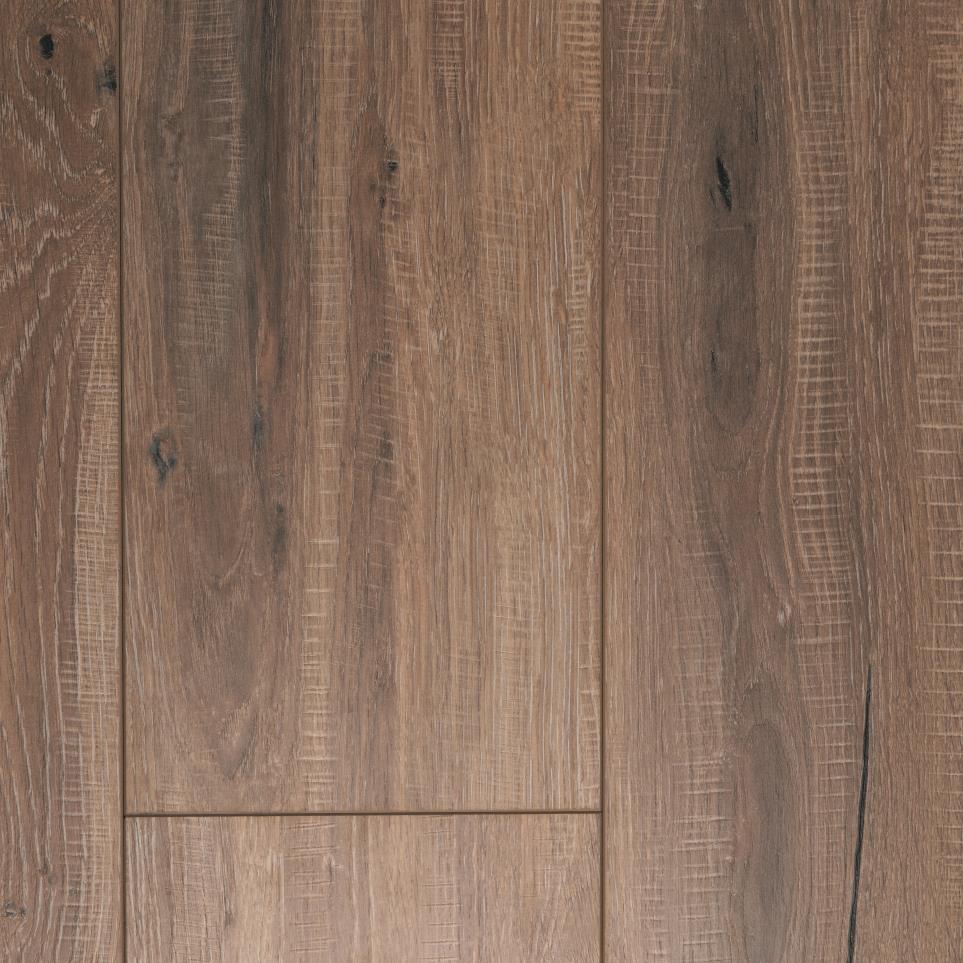
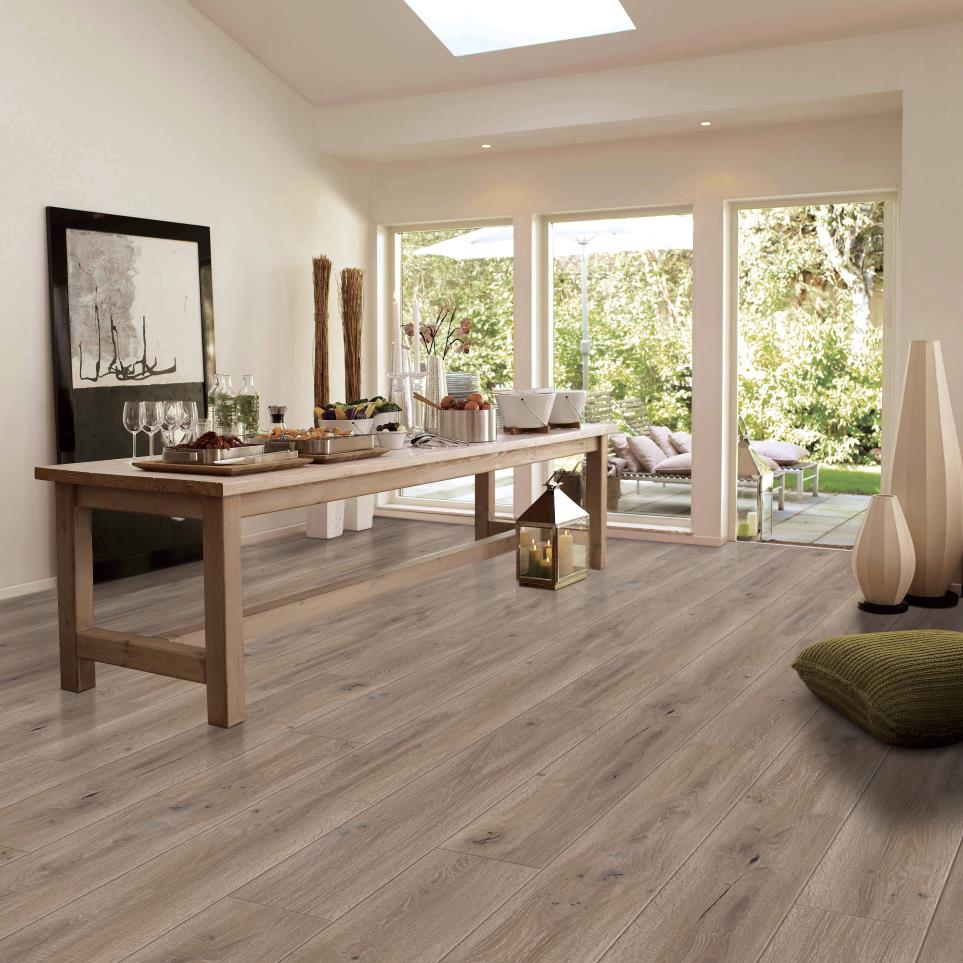
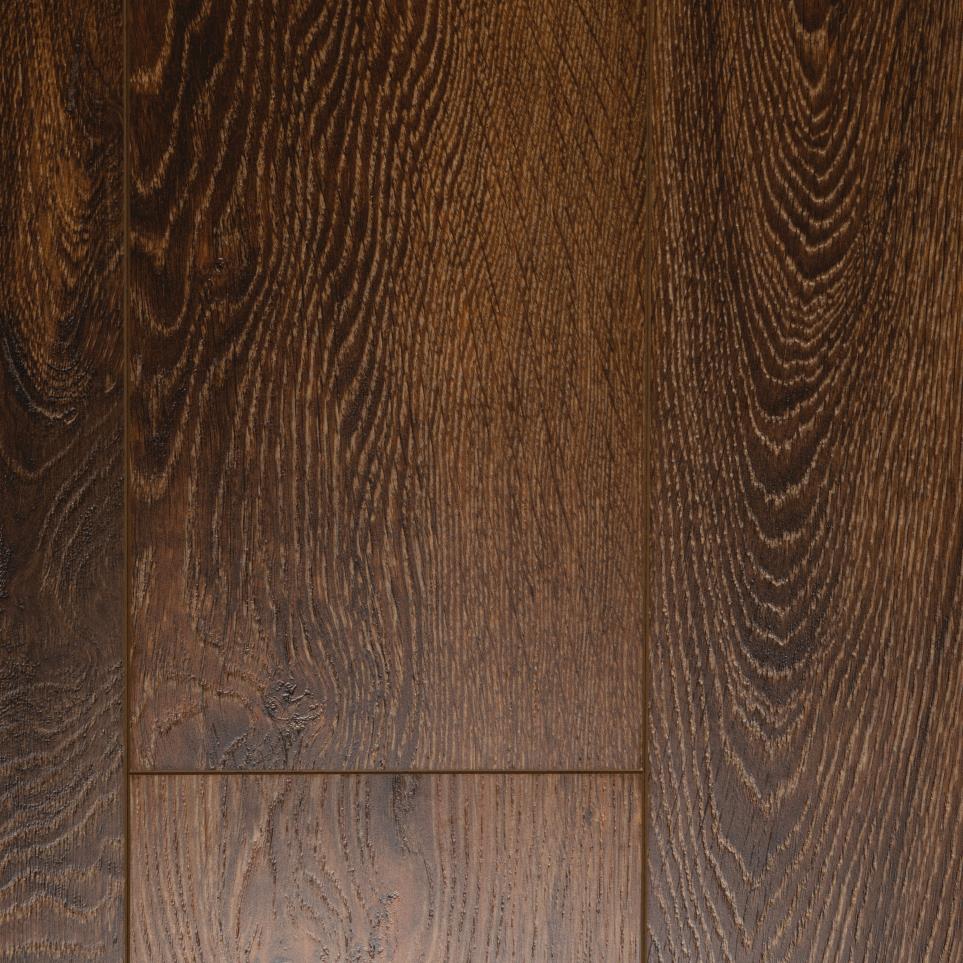
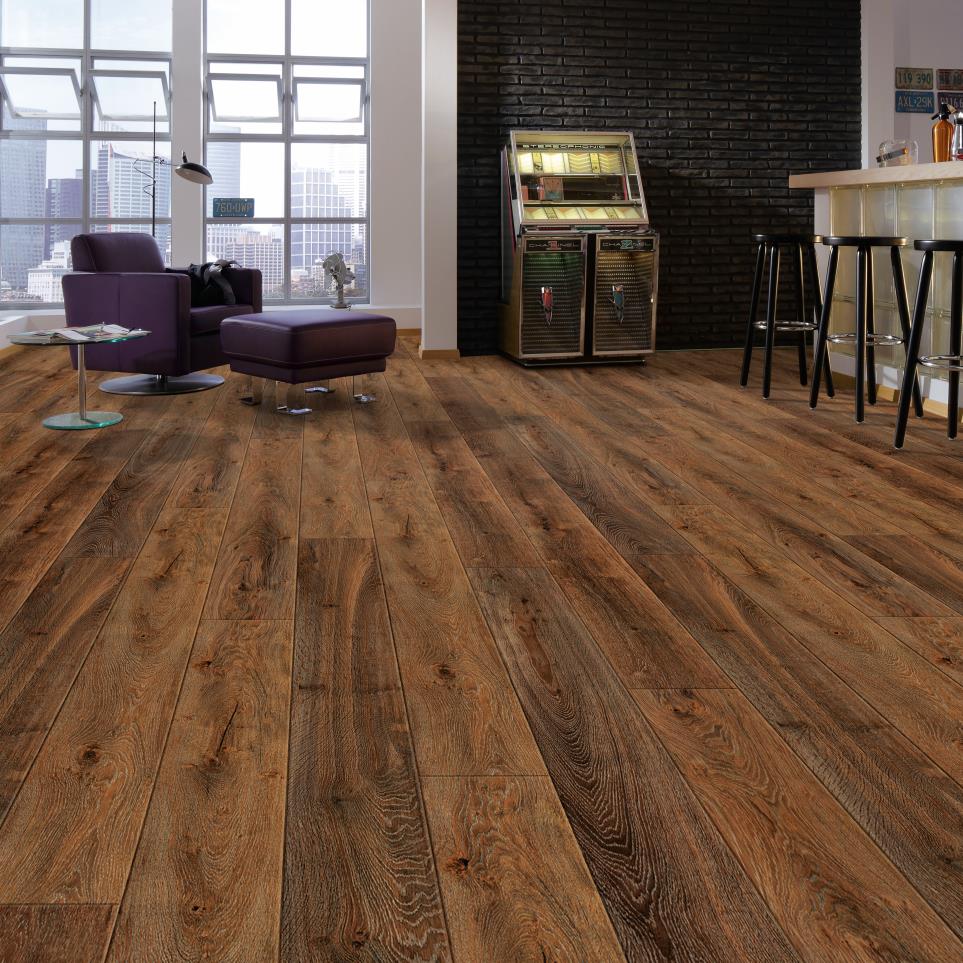
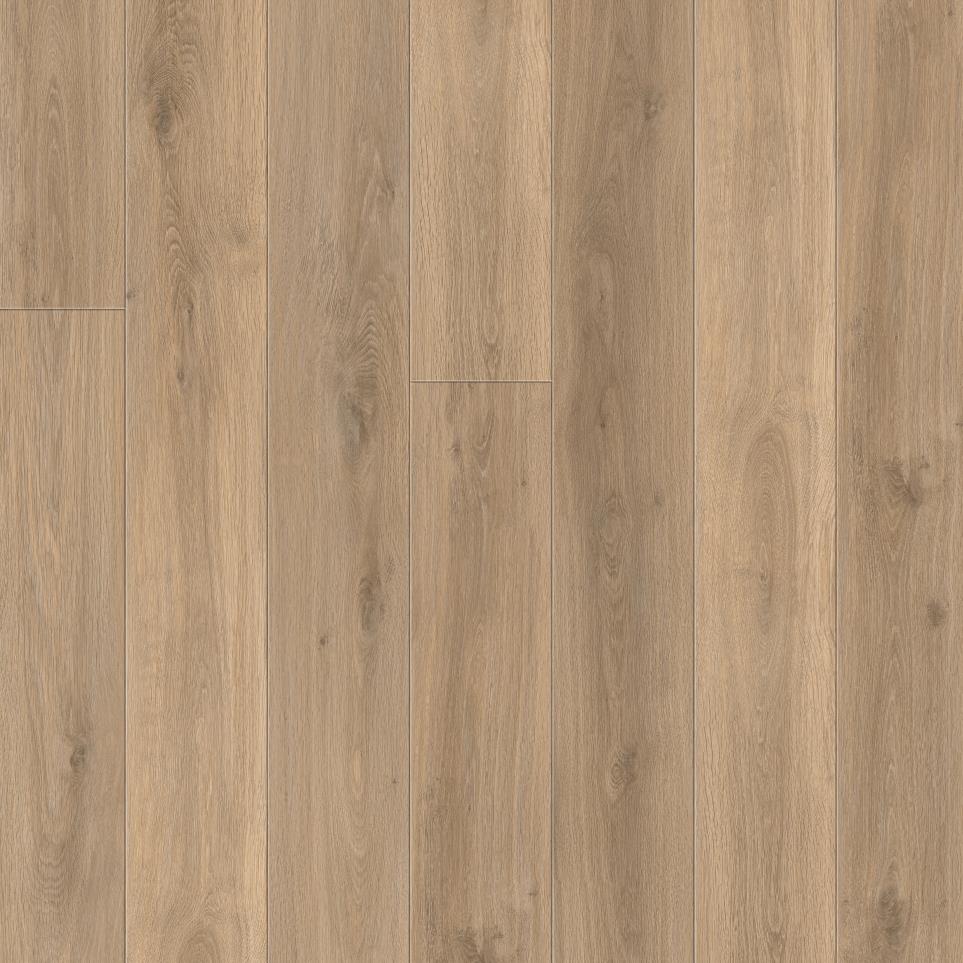
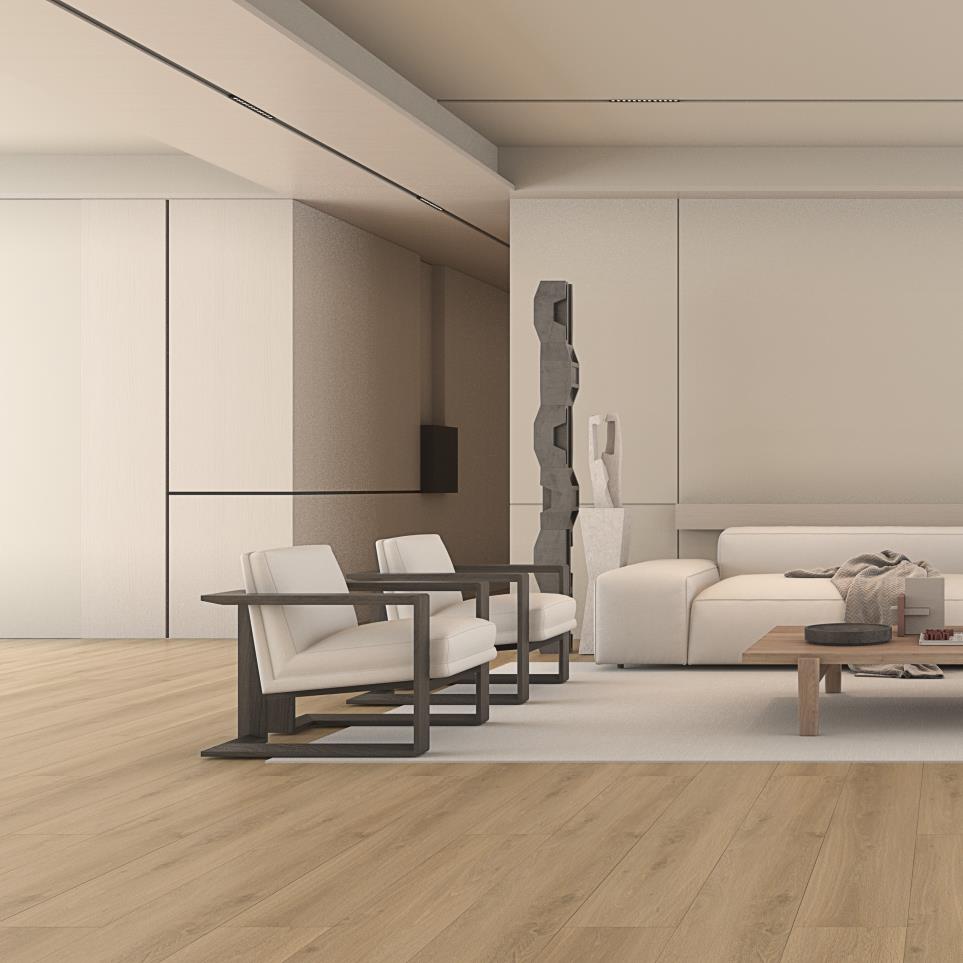
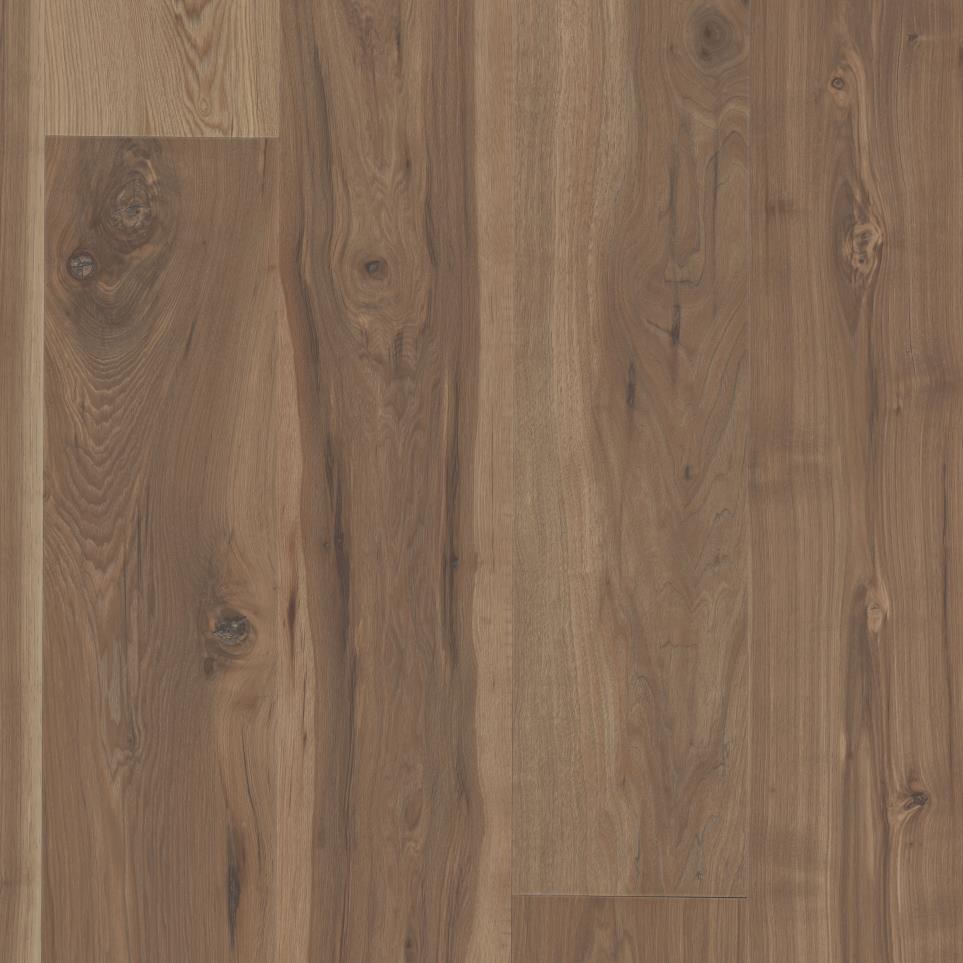
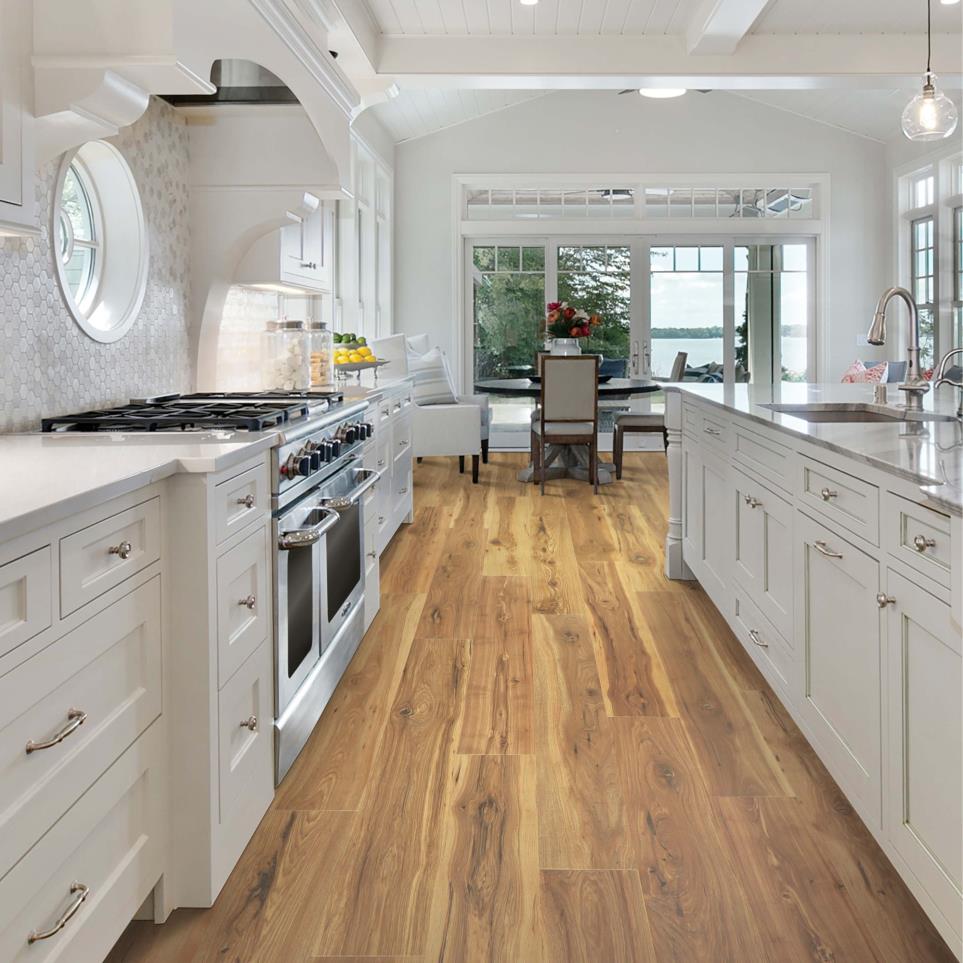
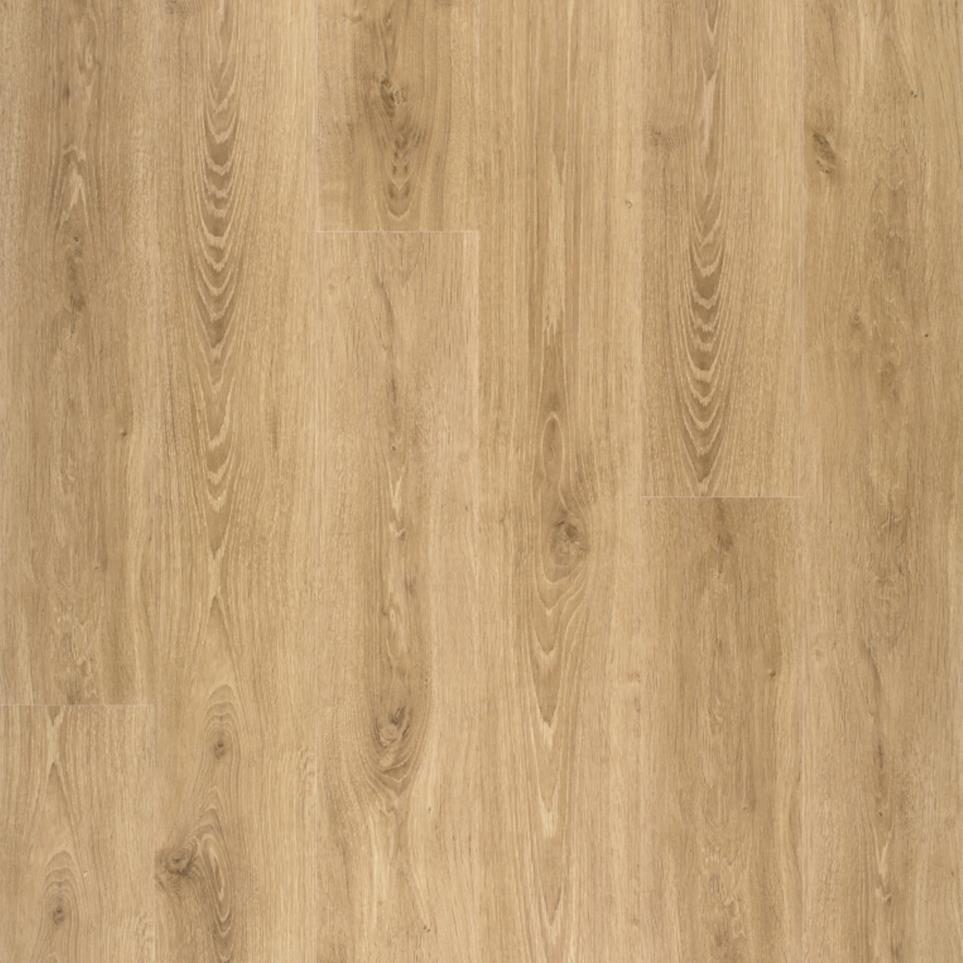
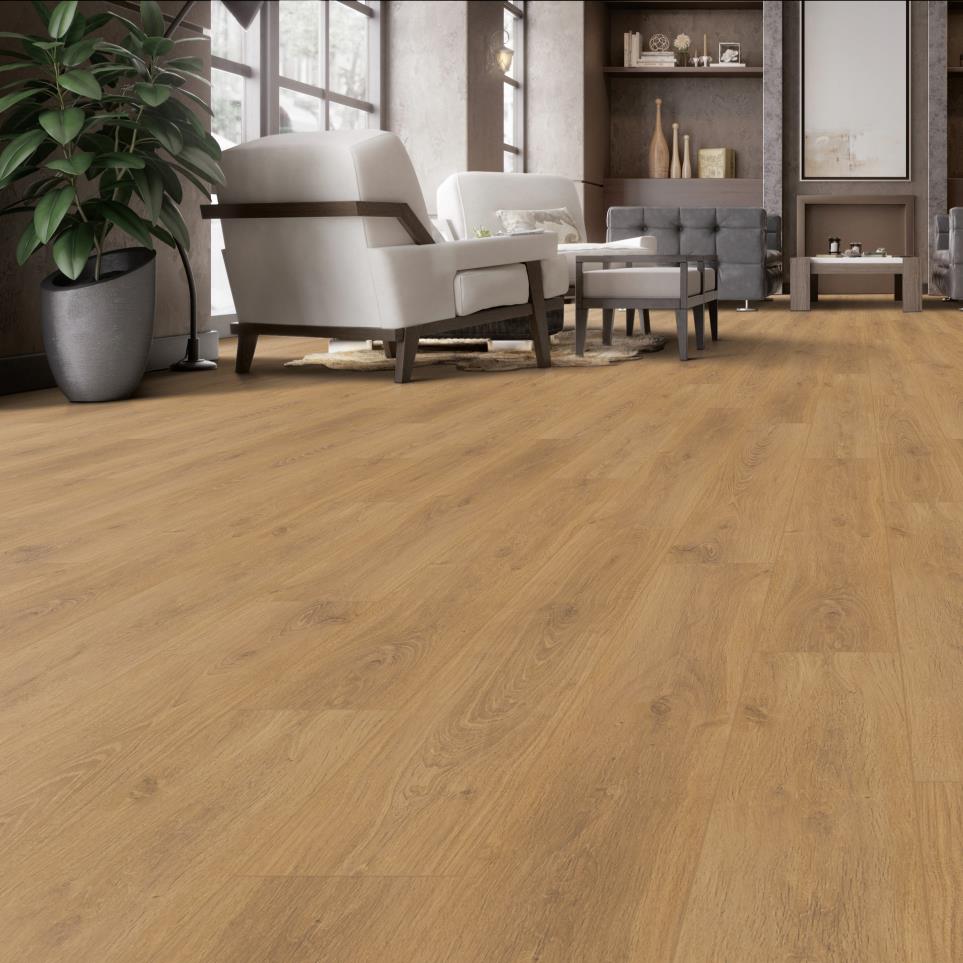
Laminate can look like almost anything: oak, maple, hickory, weathered barnwood, even stone or tile. The printed design layer plus an embossed surface texture gives it a convincingly real appearance, right down to the grain and knots.
You'll find everything from light, airy tones to rich, dark woods and the trendy grey washes that have been popular in newer Okanagan builds. It's an easy way to get a high-end look on a friendlier budget.
The best way to picture it is to see and feel it. Swing by the showroom and take a few samples home to view in your own light.
15. What is tongue and groove laminate?
Tongue and groove is the interlocking edge design that lets laminate planks click together. One side of the plank has a protruding "tongue" and the other a matching "groove," so the boards lock together snugly without nails or glue.
That's what makes laminate a floating floor: it clicks together over an underlay instead of being fastened down. It's quicker to install and lets the floor expand and contract naturally with the seasons.
That last part is a big deal in the Okanagan, where humidity swings quite a bit between our dry summers and winters. A proper floating install with the right expansion gaps lets the floor move with the seasons instead of buckling.
Flooring Canada collects data when you visit our website as described in our Privacy Policy. By continuing to browse, you accept and agree to our enhancing your experience with cookies. Learn more.